
Insights · 8 September 2026 · 14 min read
Housing a Project Team in Belgium? Start Here
When a company starts a project in Belgium, accommodation quickly becomes part of the project planning. This guide explains how companies can plan project-team accommodation, what information to prepare and how to manage changing project schedules.
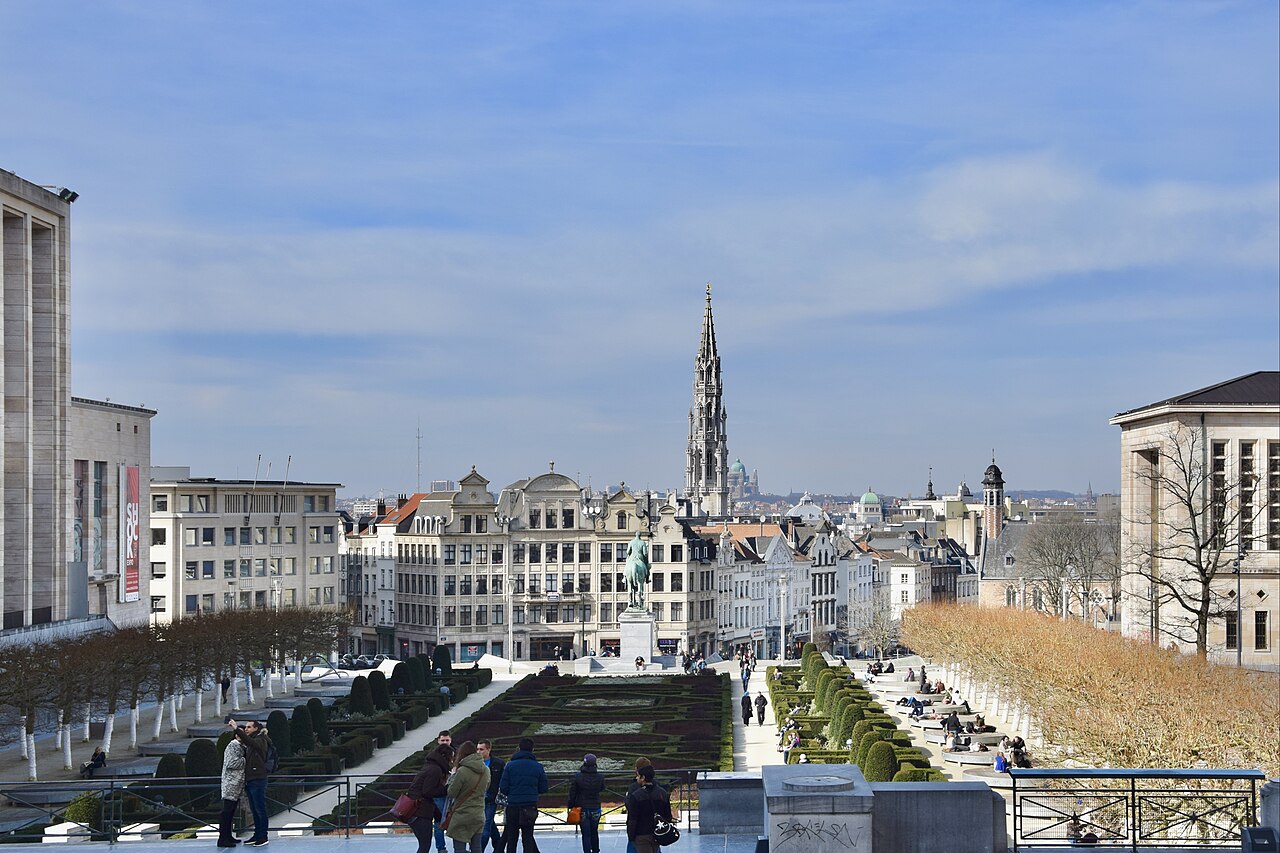
A construction contractor may need to house a team for the duration of a project. An installation company may send technicians to Belgium for a specific phase of a contract. An engineering firm may need accommodation for consultants working on site for several months. In each case, the accommodation requirement is different.
The challenge is not simply finding a place to stay. Companies need to coordinate where the team will work, how many people will be there, when they will arrive, how long the project will last and what happens if the schedule changes. That is why temporary housing for project teams should be approached as a project requirement rather than as a standard accommodation booking.
Why Project-Team Accommodation Requires a Different Approach
A normal business trip can often be handled with a hotel reservation. Project teams are different. A project can involve several employees arriving at the same time, staying for different periods, moving between sites or extending their stay as the work progresses. For example, a company may start with four technicians for six weeks and later need six people for another two months.
For companies, the main requirements are usually:
- Appropriate capacity
- A practical location
- Suitable sleeping arrangements
- Flexible rental periods
- Predictable costs
- Straightforward administration
- A reliable contact for changes and maintenance
The more project-based the work is, the more important flexibility becomes.
What Types of Projects Use Temporary Team Accommodation?
Temporary accommodation can be useful across many industries.
Construction Projects
Construction companies may need accommodation for workers during specific phases of a project, particularly when the workforce is travelling from another region or country.
Infrastructure Projects
Road, rail, utility and infrastructure work can involve teams staying away from home for weeks or months.
Installation Projects
Companies installing technical systems, machinery or equipment may require accommodation for installers during the installation period.
Industrial Projects
Shutdowns, maintenance programmes, commissioning and industrial construction can require additional teams for defined periods.
Engineering Projects
Engineers and consultants may need temporary accommodation near the client or project location without committing to a long-term residential rental.
Technical and Service Assignments
Technical teams may travel repeatedly to Belgium for customer installations, maintenance or specialist assignments. The common factor is that the accommodation requirement is linked to the project.
Start With the Project, Not the Property
One of the most common mistakes companies make is starting the search with a property. A better approach is to start with the project requirements. Before looking at accommodation, establish:
Where Is the Team Working?
The city, municipality or postal code of the worksite is one of the most useful pieces of information. A property that looks ideal may become impractical if the daily commute is too long.
How Many People Are Coming?
Team size determines the type and capacity of accommodation required.
When Does the Project Start?
The arrival date determines which properties are realistically available.
How Long Will the Team Stay?
The expected project duration affects both the type of accommodation and the most suitable rental arrangement.
Can the Schedule Change?
This is particularly important for project-based work. If the project can be delayed, extended or brought forward, the accommodation provider should know this from the start.
Build an Accommodation Brief Before Booking
A simple accommodation brief can make the entire process faster:
| Requirement | Example |
|---|---|
| Work location | Vilvoorde |
| Team size | 5 people |
| Start date | 1 October |
| Expected duration | 3 months |
| Type of work | Technical installation |
| Bedrooms | 3 or more |
| Parking | Required |
| Budget | Target budget per person |
| Other requirements | WiFi, kitchen, washing machine |
The exact details will vary from project to project. The benefit of a clear brief is that an accommodation provider can immediately assess which properties may be suitable. Instead of starting with "We need a house in Belgium," the company can provide enough information to start a useful accommodation search immediately.
Choosing Accommodation for Different Project Phases
Not every member of a project team necessarily needs accommodation for the same period. A project may have several phases:
- Preparation phase — engineers or project managers arrive first.
- Installation phase — technicians and installers join the project.
- Construction phase — a larger workforce may be required.
- Completion phase — the team size decreases again.
This can create a changing accommodation requirement. Companies should therefore think beyond a single booking. The ideal accommodation arrangement should make it possible to manage changes in occupancy where the property and agreement allow it — particularly useful for projects with uncertain timelines.
How Project Extensions Affect Accommodation
Project delays happen. Materials may arrive late. A construction phase may take longer than expected. A client may add work. For accommodation, this creates an immediate question: can the stay be extended?
Before booking, companies should understand:
- Whether extensions are possible
- How much notice is required
- Whether the same property can remain available
- Whether pricing changes during an extension
- What happens if the property is already booked by another client
Flexibility should therefore be considered before the initial booking rather than when the original departure date is approaching.
What Happens When the Team Gets Smaller?
The opposite situation can also occur. A project may start with five people but later require only two or three. If the accommodation has been arranged for the entire team, the company may need to understand whether the same rental conditions continue to apply. The right arrangement depends on the property and rental agreement, but this is another reason to discuss expected project changes with the accommodation provider at the beginning. For recurring projects, a provider that understands how project staffing changes can be particularly valuable.
Accommodation for Teams Working Across Multiple Sites
Some companies do not have a single fixed work location. Technicians, installers and service teams may move between several worksites during an assignment. In that situation, the accommodation should be selected based on the overall project area rather than a single address. Questions to consider include:
- Where are the main worksites?
- How frequently does the team move?
- Which location offers the most practical central position?
- Is motorway access important?
- Are company vehicles being used?
- Is parking available?
For mobile teams, a strategically located property can sometimes be more useful than choosing accommodation directly beside one individual site.
Should the Whole Team Stay in One Property?
For some projects, yes. For others, no.
A single property can be practical when:
- Team members work at the same site
- Their schedules are similar
- The property has appropriate capacity
- They are expected to stay for a similar period
Separate properties may make more sense when:
- Team members have different work locations
- Arrival dates vary
- Different accommodation standards are required
- The project has multiple locations
The decision should therefore be based on the project structure rather than simply the number of people.
What Makes Accommodation Practical for a Project Team?
Once the project requirement is clear, the accommodation itself should be assessed against that requirement. Important considerations can include:
- Location — the distance and commute to the worksite.
- Capacity — whether the accommodation is genuinely suitable for the number of people.
- Bedrooms — whether the sleeping arrangements provide an appropriate level of comfort and privacy.
- Kitchen — whether the team can prepare meals independently.
- WiFi — reliable internet access for communication and everyday use.
- Washing machine — particularly useful for multi-week and multi-month assignments.
- Parking — important for teams using vans or company vehicles.
- Utilities — companies should establish which utilities are included in the agreed price.
- Maintenance — there should be a clear process for handling repairs and practical problems.
- Rental flexibility — the agreement should be appropriate for the expected project duration and potential changes.
These requirements should be evaluated as a complete package rather than one by one. You can see how our properties meet these requirements in the BuildStay.be property portfolio.
How Should Companies Compare the Cost?
Project accommodation should be evaluated based on the total cost of housing the team, not just the advertised nightly rate. A useful calculation is:
Total accommodation cost ÷ number of people ÷ number of nights
This provides an approximate cost per person per night. However, the calculation is only useful when the company understands what is included. Consider whether the price includes utilities, WiFi, parking, maintenance and other mandatory costs. A property with a lower headline price may not necessarily be the more economical option if additional costs have to be added. For project managers, predictability can be almost as important as the absolute price.
Why Fully Furnished Accommodation Works Well for Projects
Project teams usually do not want another setup process. When employees arrive in Belgium, they need accommodation that is ready to use. Fully furnished housing can provide a practical solution because the company does not have to arrange furniture and basic household equipment separately.
For longer assignments, having a kitchen, washing machine, living space and separate bedrooms can make the accommodation significantly more practical than arranging individual hotel rooms. The key advantage is not simply comfort. It is operational simplicity: the team arrives, the accommodation is ready, and the project can continue.
Temporary Housing for International Project Teams
International teams can bring additional practical requirements. Employees may be arriving from different countries and staying in Belgium temporarily without establishing a permanent residence. In these circumstances, the accommodation should ideally be straightforward:
- Ready for arrival
- Fully furnished
- Easy to understand
- Suitable for the team size
- Conveniently located
- Supported by a reliable contact
Communication can also be important when several nationalities are involved. A professional accommodation provider should be able to communicate clearly with the company organising the stay and provide a consistent point of contact.
Brussels, Vilvoorde and Other Belgian Project Locations
Project accommodation requirements can arise anywhere in Belgium. Brussels is an important location for international companies and professional assignments — see also our guide to worker accommodation in Brussels. For projects north of Brussels, Vilvoorde can be relevant because of its position relative to the capital and surrounding business and infrastructure areas.
Other major Belgian project locations include:
- Antwerp and Antwerp Port
- Ghent
- Liège
- Leuven
- Mechelen
- Charleroi
- Other industrial and infrastructure areas
The right accommodation location should always be assessed in relation to the actual worksite. For a project manager, "Belgium" is too broad. Even "Brussels" can be too broad. The more precise the work location, the easier it becomes to assess suitable accommodation.
What Should Companies Ask an Accommodation Provider?
Before confirming temporary housing, it is useful to ask a few straightforward questions:
- Is the property available for the full required period?
- How many people can stay there comfortably?
- How many separate bedrooms are available?
- What is included in the price?
- Is parking available?
- Can the rental period be extended?
- What happens if the project schedule changes?
- Who handles maintenance or repairs?
- Is there one point of contact for the company?
These questions are particularly important for companies that are responsible for several employees rather than just one traveller.
How to Make the Accommodation Process More Efficient
The most efficient approach is to treat accommodation as one of the project's logistical requirements. Share the relevant information early: work location, team size, start date, expected duration, type of work, budget and specific requirements. Then allow the accommodation provider to identify suitable options.
This can be much more efficient than searching property by property without a clear brief. It also allows the provider to identify alternatives when the first-choice property is unavailable. For project managers handling several assignments, having one accommodation partner can make this process considerably easier.
Why BuildStay.be Is Designed for Project-Based Accommodation
BuildStay.be provides temporary accommodation in Belgium for project teams, professionals, international employees, families and groups. The service is designed around the practical requirements of the client. Companies can provide their work location, number of people, required period, type of work, budget and specific requirements — and BuildStay.be can then assess suitable accommodation based on the request.
The accommodation offering focuses on:
- Fully furnished homes
- Flexible stays
- Strategic locations
- Utilities included
- Professional property support
The objective is to give the company one reliable accommodation partner rather than another task for the project manager or HR department. Rental conditions are set out in our terms & conditions.
A Practical Checklist for Project-Team Accommodation
Before sending an accommodation request, make sure you know:
- Project — work location, type of work, expected project duration.
- Team — number of people, required number of bedrooms, expected arrival dates.
- Practical requirements — parking, kitchen, WiFi, washing machine and other specific requirements.
- Commercial requirements — target budget, required rental flexibility, potential extension.
You do not need to know every detail before starting the conversation. An approximate project period, team size and work location are often enough to begin assessing possible accommodation.
Need Temporary Housing for a Project Team in Belgium?
Arranging accommodation for a project team should not become a separate project in itself. Whether you are bringing construction workers to Antwerp, technicians to Brussels, installers to Vilvoorde or engineers to another Belgian location, the process starts with the same essentials: where are they working, how many people need accommodation, when do they arrive, how long will they stay and what do they need? Share these requirements with BuildStay.be and we can assess suitable temporary accommodation options based on your project.
Frequently Asked Questions
What is temporary housing for a project team?
Temporary housing for a project team is accommodation arranged for employees or contractors who need to stay in Belgium because of a temporary work assignment or project.
How long can a project team stay in temporary accommodation?
The appropriate rental period depends on the property and rental agreement. Project accommodation can be arranged for stays of several weeks, several months or longer.
Can accommodation be extended if a project is delayed?
This depends on the property and availability. Companies should discuss potential extensions with the accommodation provider before confirming the initial stay.
Can several employees stay in the same property?
Yes, where the property's capacity, bedroom configuration and rental conditions are suitable for the team.
What information should a company provide when requesting accommodation?
The most useful information includes the work location, number of people, required dates, expected duration, type of work, budget and any specific requirements.
Is temporary housing suitable for technicians and installers?
Yes. Furnished accommodation can be particularly practical for technical teams when the property offers suitable capacity, parking, internet, kitchen facilities and a location that works for the assignment.
Can accommodation be arranged near the worksite?
Depending on availability, accommodation can be assessed based on the worksite city, municipality or postal code.